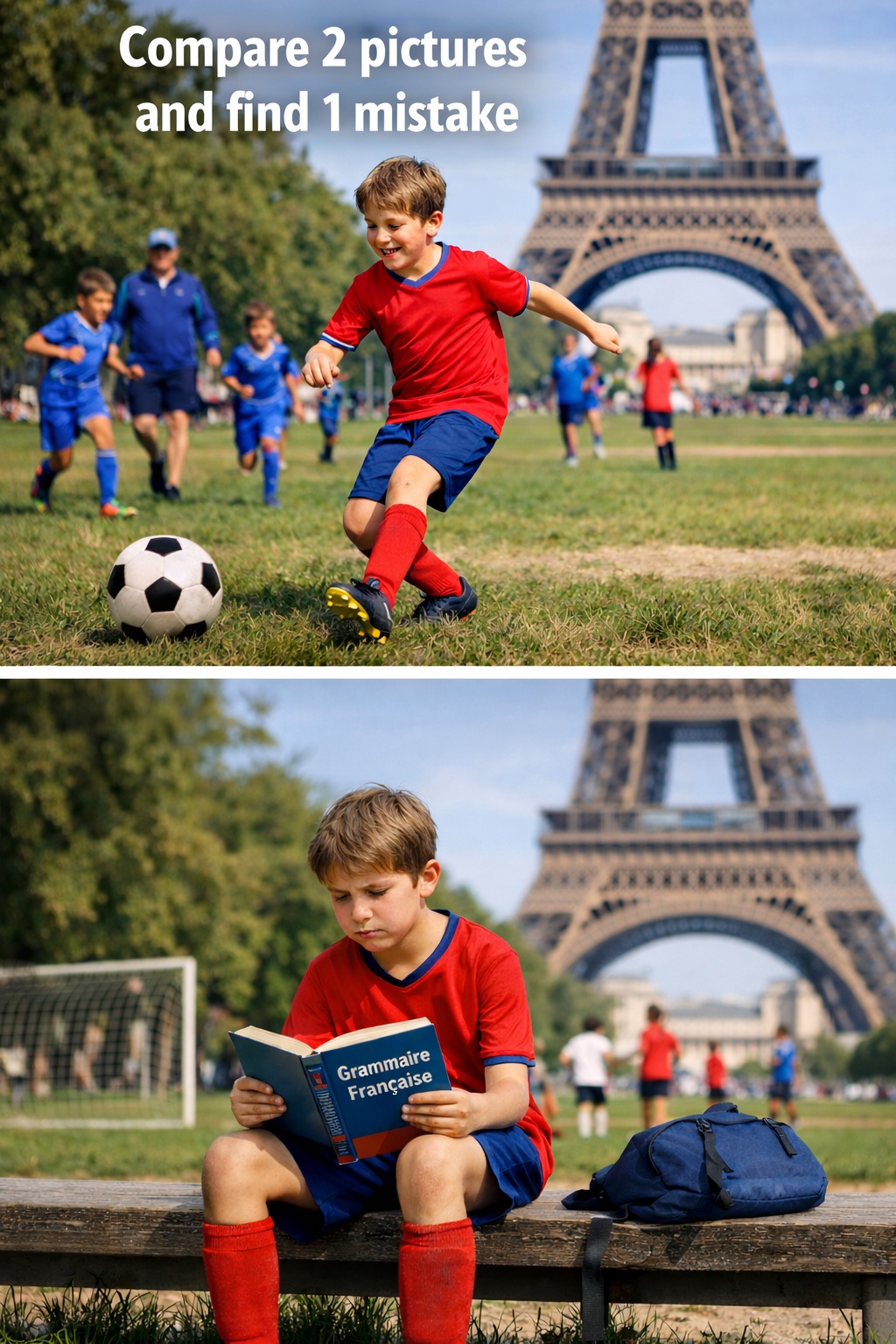
🇫🇷 What to Do If Your Child Doesn’t Speak French Starting School in France?
Moving to France is exciting — but if your child doesn’t speak French starting school in France, it can also feel overwhelming.
Many expat families worry about:
-
Academic pressure
-
Social isolation
-
Loss of confidence
-
Homework struggles
-
Emotional stress
If you are currently supporting a non-French speaking child in France, here is something reassuring:
Language learning at this stage is not just academic.
It is social, emotional, and deeply connected to daily experiences.
When helping an expat child integrate into French school, social exposure often matters more than grammar drills.
In this article, you’ll discover how to:
-
Help your child adapt progressively
-
Use social immersion outside school
-
Create low-stress French exposure
-
Support integration in natural, confidence-building ways
✅Understanding the Real Challenge
When a child doesn’t speak French starting school in France, the first difficulty is rarely grammar.
It’s belonging.
Your child may:
-
Understand very little in class
-
Feel excluded at recess
-
Avoid speaking to avoid mistakes
-
Come home mentally exhausted
This is normal.
Children navigating a new school system in another language are managing two transitions at once:
-
Academic adaptation
-
Social integration
And social integration is often the key that unlocks language progress.
🌱Progressive, Low-Stress Exposure to French
One of the most effective ways to help a child learn French naturally is through gradual exposure outside the classroom.
Children absorb language faster when:
-
They feel emotionally safe
-
They associate the language with positive experiences
-
They are not constantly being evaluated
If every interaction in French feels like a test, anxiety increases.
If French is connected to fun and friendship, acquisition accelerates.
⚽ Choose Activities Based on Your Child’s Interests
If you want to truly support a non-French speaking child in France, start with what your child already loves.
Instead of focusing only on conversation-heavy activities, look for contexts where language is present but not dominant.
Examples:
-
Sports (football, swimming, martial arts)
-
Art workshops
-
Music lessons
-
Dance classes
-
Scouts
-
Robotics or coding clubs
In these environments:
-
Your child participates physically or creatively.
-
Speaking is optional at first.
-
They hear French repeatedly.
-
Positive emotions reinforce understanding.
This type of immersion builds familiarity before fluency.
It is one of the most powerful strategies for helping expat children integrate into French school socially.
⚠️Social Integration Beyond the Classroom
School alone is rarely enough for full adaptation.
If families remain only within international circles, language exposure stays limited.
To truly support a child who doesn’t speak French starting school in France, parents need to expand their local connections.
Practical steps include:
-
Connecting with French parents from school
-
Accepting invitations, even if your French feels imperfect
-
Organizing small weekend activities
-
Inviting classmates over
-
Sharing meals with local families
Children build language confidence through repetition and familiarity.
The more relaxed exposure they have, the more natural the language becomes.
🎒Parents Must Also Make an Effort
When supporting a non-French speaking child in France, parental involvement matters deeply.
You do not need to become fluent.
But learning basic French shows your child:
-
Effort is normal
-
Mistakes are acceptable
-
Integration is a family process
It also allows you to:
-
Understand school communication
-
Help with homework
-
Speak with teachers
If you’re wondering about realistic timelines, you may enjoy reading:
How long does it take to learn French?
When children see their parents stepping outside their comfort zone, they feel less alone in doing the same.
🤝Put Your Child in an “Expert” Position
When a child enters a French school without speaking the language, it’s easy for them to feel “behind.”
One way to counter this is to create situations where they are strong.
Language Exchange Playdates (The “Bilingual Snack” Idea)
A simple structure:
-
15 minutes: Your child teaches basic English words.
-
15 minutes: The French child speaks French.
-
Then: relaxed play and snacks.
This format:
-
Creates balance
-
Builds mutual curiosity
-
Encourages natural speaking
-
Reduces pressure
Structured language classes with a teacher are valuable. They provide grammar foundations and pronunciation guidance.
But they should not be the only support.
Language is lived socially.
Without real-life exposure, classroom learning remains abstract.
📚Focus on Belonging Before Language
If your child doesn’t speak French starting school in France, it’s easy to focus only on vocabulary lists and homework support.
But language follows belonging.
Before a child speaks confidently, they need to feel:
-
Safe
-
Accepted
-
Included
-
Understood
When children feel that they belong — in a sports club, at a birthday party, during a family dinner with French friends — language begins to unlock naturally.
Instead of asking, “How fast can my child learn French?” try asking, “Where does my child feel comfortable and connected?”
Because once belonging is established, speech follows.
French stops being “the difficult school language” and becomes simply part of everyday life.
❓Frequently Asked Questions
What should I do if my child doesn’t speak French starting school in France?
Focus on progressive exposure and social integration, not just academic support. Encourage extracurricular activities, informal playdates, and consistent but low-pressure interaction in French. Emotional safety is just as important as language instruction.
How can I help my expat child integrate into a French school?
Support integration outside the classroom. Connect with local families, accept social invitations, and organize small shared activities. Helping an expat child integrate into French school requires both language exposure and social belonging.
How long does it take for a child to adapt to French school?
It depends on age, personality, and exposure. Some children begin speaking confidently within months, while others may need a year or more. Consistent, positive exposure is more important than speed.
💌 Subscribe to my newsletter for practical tips, real-life strategies, and guidance for raising confident bilingual children.
And if your child needs a gentle start, read this next:
👉 French for Beginners: 50 Essential Words and Phrases You Must Know