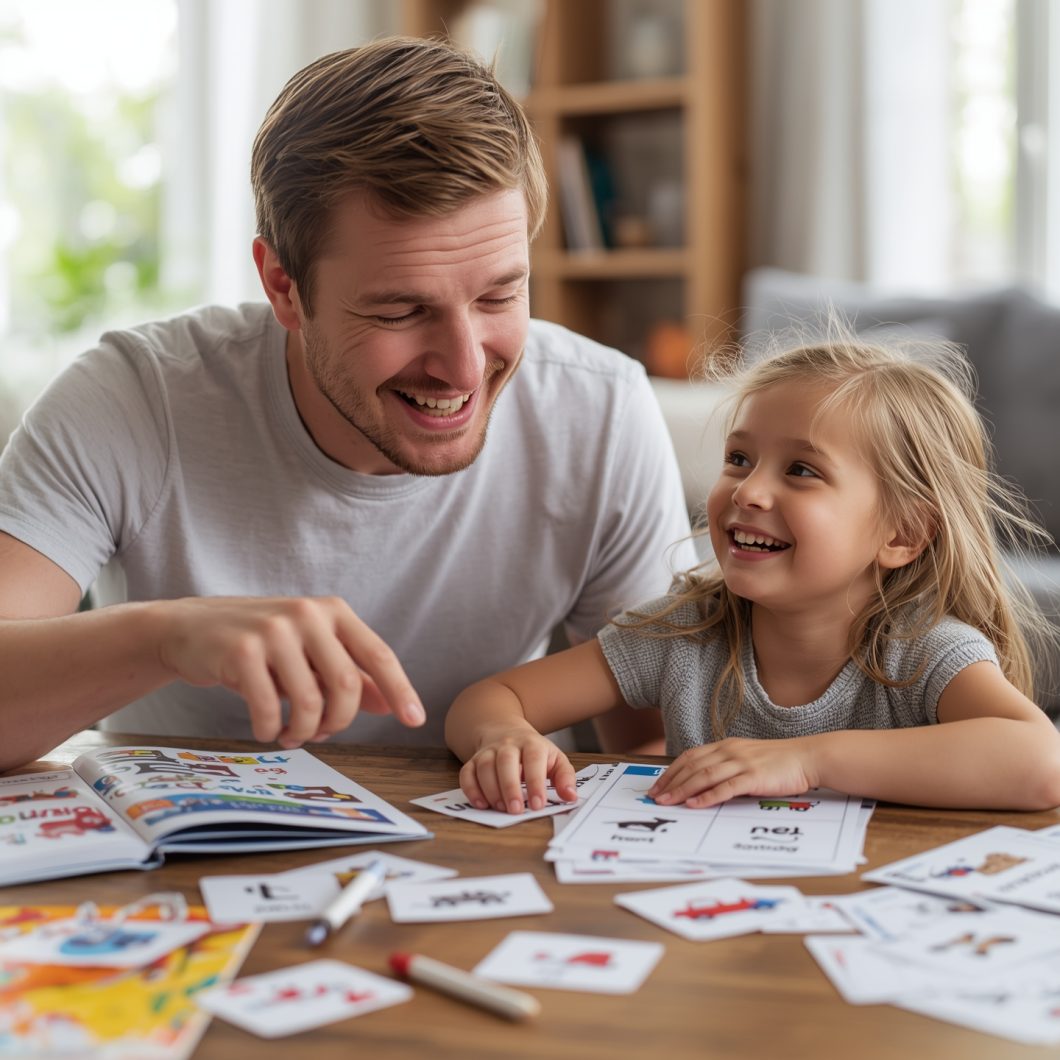
If you’re a parent dreaming of raising a bilingual child, you’ve probably wondered: How early can kids start learning French? The answer might surprise you — children can begin their French language journey as early as infancy! In fact, research shows that the earlier kids are exposed to a second language, the better their chances of becoming fluent.
In this post, we’ll explore when and how to introduce French to your child, bust a few myths, and give you actionable tips for helping your kids learn French language naturally and joyfully.
Why Start Early? How Kids’ Brains Are Wired for Language
Language acquisition is strongest during the first few years of life. This is often called the “critical period” — a window during which the brain is naturally wired to absorb languages effortlessly.
🧠 Key facts about early language learning:
-
Children as young as 6 months can distinguish between the sounds of different languages.
-
Between 0–7 years, kids learn through exposure, not formal study.
-
Young children can mimic native accents more easily than older learners.
-
Bilingualism improves memory, focus, and problem-solving skills.
So, if your child is under 7, you’re in the perfect timeframe to begin!
What If I Don’t Speak French Myself?
This is one of the most common concerns — but rest assured, you don’t need to be fluent to help your child begin learning. In fact, many parents start learning French alongside their children, making it a fun and bonding experience.
You can guide your child with:
-
Music, songs, and nursery rhymes in French.
-
Bilingual books and picture dictionaries.
-
Apps and videos created for young French learners.
-
Online tutors or play-based language classes.
Benefits of Starting French Early
Besides the obvious perk of speaking another language, early exposure to French gives your child:
🎁 Cognitive Advantages:
-
Boosted brain development and neural connections
-
Better problem-solving and multi-tasking abilities
-
Increased creativity
🌍 Cultural Awareness:
-
A deeper appreciation of French culture and other global perspectives
-
Easier adaptation to diverse environments
💬 Natural Pronunciation:
-
Exposure to French sounds early helps kids develop authentic pronunciation
-
Fewer struggles with tricky sounds like “u” or the French “r”
How to Help Your Child Learn French with Fun
The golden rule? Make it playful, not pressuring. When learning feels like play, kids naturally want more.
🧸 Fun ways to learn French at home:
-
Sing together: French lullabies like “Frère Jacques” or “Alouette”
-
Play pretend: Imagine simple situations like a French café or grocery store — repeat a few key phrases together like “Bonjour!”, “Merci!”, or “Je voudrais…” using toys or household objects
-
Use daily routines: Say “bonjour” in the morning and “bonne nuit” at bedtime
-
French cartoons: Try “Trotro”, “Petit Ours Brun”, or “Les Titounis” on YouTube
-
Label the house: Put sticky notes in French on objects (e.g., “la porte”, “la chaise”)
French Pronunciation Tips for Kids
French pronunciation can seem tricky, but little learners are actually better at picking it up than adults!
🗣️ Tips for pronunciation success:
-
Let your child repeat sounds naturally without correcting too much
-
Use songs with repetitive sounds like “Il court, il court le furet”
-
Practice animal sounds in French (they’re different! “ouaf ouaf” for “woof woof”)
-
Let your child record themselves and listen to their own voice — this can be fun and very motivating!
-
Make it visual: videos that show how the mouth moves are super helpful
Best Ages and Stages for French Learning
Wondering how to tailor French learning by age? Here’s a breakdown:
👶 0–2 Years:
-
Focus on listening and exposure
-
Play French lullabies and talk to your baby in short phrases
🧒 2–4 Years:
-
Begin speaking simple words: “bonjour”, “merci”, “chat”
-
Use French in play, music, and routines
🧑 5–7 Years:
-
Kids can start basic speaking and reading
-
Introduce short books, flashcards, and beginner videos
🧒🦱 8+ Years:
-
Children can begin more structured lessons
-
They’re ready to start grammar, writing, and conversational French
Busting Common Myths
Let’s clear up a few misconceptions:
❌ “They’ll get confused if they learn two languages”
Actually, kids are experts at separating languages and switching between them.
❌ “I need to be fluent to teach them”
Nope! You just need to create exposure. You can learn together or use resources designed for parents.
❌ “It’s too late to start if my child is older than 5”
It’s never too late! Earlier is easier, yes — but it’s always possible to begin.
How to Support Long-Term Success
If you want your child to stick with French, consistency matters more than intensity.
📅 Simple ideas to build a routine:
-
10 minutes a day of French music or stories
-
Weekend “French breakfast” with vocabulary games
-
One new French word a day challenge
-
Involve the whole family — make it a team effort!
Want Even More Help?
On our blog, we offer guides, free printables, and tips for families who want to support their child’s French learning journey. You might enjoy this post: Top Resources to Learn French on your own.
Whether your child is 6 months or 6 years old, the earlier you start, the more natural French will feel. You don’t need to be perfect, fluent, or even confident — you just need to begin.
By creating a playful, loving environment where French is part of your child’s daily life, you’ll give them a gift that lasts a lifetime.
💬 Have you already started teaching your child French? What worked best for you? Share in the comments!
📩 Want weekly tips to help your child learn French language the fun way? Subscribe to our newsletter today!
🙋 Frequently Asked Questions
Can kids learn French before they speak their first language?
Yes! Babies can begin learning French even before they speak their first words. Early exposure to sounds, rhythm, and vocabulary lays a strong foundation for bilingual development.
Do I need to speak French to help my child learn?
Not at all. Many parents learn alongside their children using songs, videos, books, and online resources tailored to beginners and young learners.
What’s the best age to start teaching French to kids?
The ideal age is between 0–7 years, but it’s never too late. Younger children benefit from natural language acquisition, while older kids can grasp grammar and structure more easily.
How can I make learning French fun for my child?
Use games, songs, pretend play, and routines to introduce French naturally. The key is to make language exposure enjoyable and consistent.